
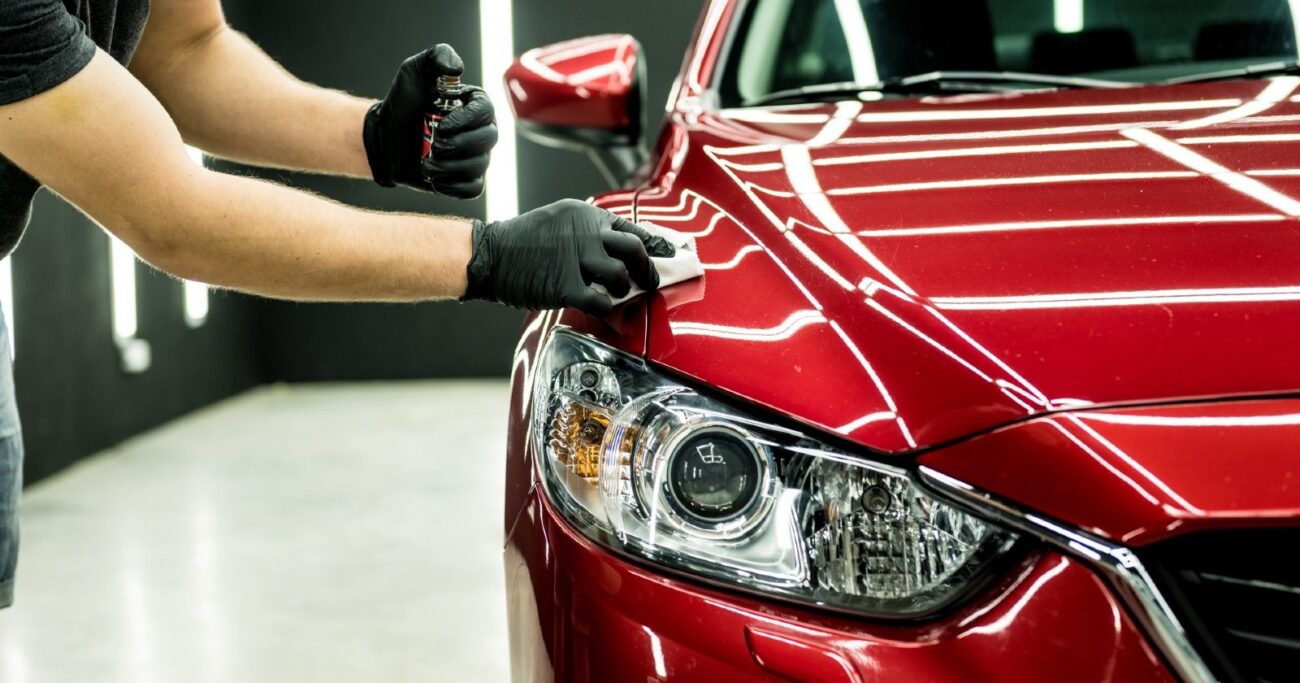
Your car is more than just a mode of transportation—it’s an investment. Whether you’re driving a brand-new vehicle off the lot or maintaining a cherished older model, protecting its appearance and value should be a priority. This is where ceramic coating enters the conversation, promising long-lasting protection and a mirror-like shine that traditional waxes simply can’t match.
But with professional ceramic coating services ranging from $500 to $2,500 or more, many car owners find themselves asking the crucial question: is ceramic coating actually worth the investment?
What Exactly Is Ceramic Coating?
Ceramic coating is a liquid polymer that chemically bonds with your vehicle’s paint, creating a protective layer at the molecular level. Unlike traditional waxes or sealants that sit on top of the paint, ceramic coatings form a semi-permanent bond that becomes part of your car’s surface.
The primary ingredient in most ceramic coatings is silicon dioxide (SiO2), often derived from quartz. When properly applied, this creates an incredibly hard, glass-like surface that’s hydrophobic (water-repelling), resistant to chemicals, and provides exceptional UV protection.
The Compelling Benefits of Ceramic Coating
Superior Longevity: While traditional car wax might last 3-6 months, a quality ceramic coating can protect your vehicle for 2-5 years with proper maintenance. Some premium coatings even claim to last up to 10 years, though real-world conditions typically yield shorter lifespans.
Unmatched Shine and Clarity: Ceramic coatings enhance your paint’s depth and gloss, creating that coveted “liquid glass” appearance. The coating fills in microscopic imperfections in the paint, resulting in a smoother surface that reflects light more uniformly.
Effortless Cleaning: The hydrophobic properties mean water beads up and rolls off the surface, taking dirt and contaminants with it. This “self-cleaning” effect makes regular washing significantly easier and more effective.
Chemical Resistance: Your car faces a barrage of environmental contaminants daily—bird droppings, tree sap, road salt, and acid rain. Ceramic coatings provide a barrier that prevents these substances from etching into your paint, making cleanup easier and preventing permanent damage.
UV Protection: Just as prolonged sun exposure damages your skin, UV rays gradually fade and oxidize your car’s paint. Ceramic coatings act like sunscreen for your vehicle, blocking harmful UV rays that cause color fading and paint deterioration.
The Reality Check: Limitations and Drawbacks
High Initial Cost: Professional ceramic coating installation isn’t cheap. When you factor in the necessary paint correction that often precedes coating application, you’re looking at a significant upfront investment.
Not Scratch-Proof: Despite marketing claims, ceramic coatings don’t make your car invincible. While they provide some protection against light swirl marks and minor scratches, they won’t prevent damage from shopping cart dings or key scratches.
Professional Application Recommended: While DIY ceramic coating kits exist, achieving optimal results requires experience, proper equipment, and ideal environmental conditions. Poor application can result in streaking, uneven coverage, or coating failure.
Maintenance Still Required: Ceramic-coated vehicles still need regular washing, and the coating itself requires periodic maintenance to preserve its properties. Additionally, contamination can still occur if the vehicle isn’t properly cared for.
Breaking Down the Costs
Professional ceramic coating services typically break down as follows:
- Paint Correction: $300-800 (often necessary before coating)
- Entry-Level Coating: $500-1,000
- Premium Coating: $1,500-2,500
- Ultra-Premium Multi-Layer Systems: $3,000+
DIY ceramic coating kits range from $50-200, but results vary significantly based on application skill and environmental conditions.
Who Benefits Most from Ceramic Coating?
Ceramic coating makes the most financial sense for:
- New car owners who want to preserve that showroom finish
- Enthusiasts who prioritize appearance and are willing to invest in long-term protection
- Daily drivers exposed to harsh environmental conditions
- Vehicle owners planning to keep their cars for many years
- Those with darker paint colors that show swirl marks and water spots more readily
Making the Decision: Is It Worth It for You?
The value of ceramic coating ultimately depends on your priorities, budget, and relationship with your vehicle. If you’re someone who takes pride in your car’s appearance, plans to keep it for several years, and can afford the initial investment, ceramic coating often pays dividends in reduced maintenance time and preserved resale value.
However, if you’re budget-conscious, frequently trade vehicles, or aren’t particularly concerned about maintaining a perfect finish, traditional protection methods might serve you better.
Consider ceramic coating as an investment in your vehicle’s longevity and your own satisfaction. While it won’t transform an older, damaged paint job into perfection, it can preserve and enhance what you have while making future maintenance significantly easier.
The technology behind ceramic coatings continues to improve, with newer formulations offering better durability and easier application. As the market matures, costs are gradually becoming more accessible, making this once-exclusive protection option available to a broader range of car owners.
Ultimately, ceramic coating isn’t just about protecting your car—it’s about protecting your investment and ensuring that every time you walk up to your vehicle, it looks as impressive as the day you first brought it home.
