
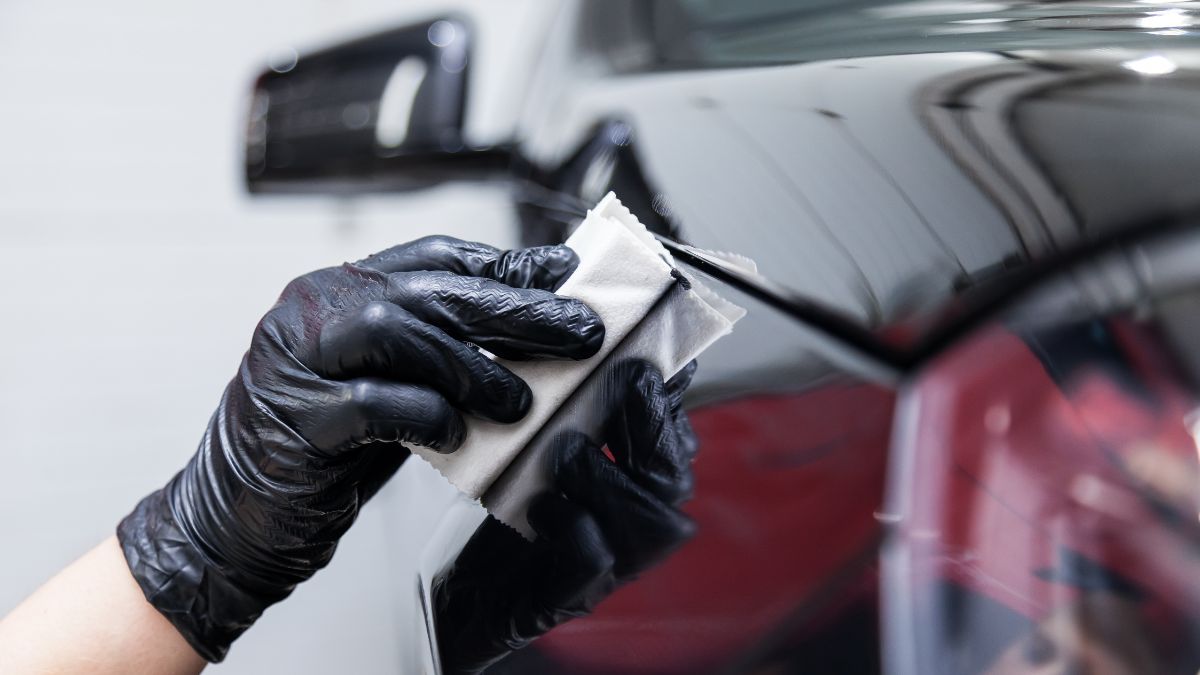
Protecting your vehicle’s paintwork from environmental contaminants, UV radiation, and the wear of daily driving represents one of the most critical aspects of automotive maintenance. We understand that vehicle owners face a challenging decision when selecting between ceramic coating and traditional wax as their primary paint protection solution. Both methods offer distinct advantages, application processes, and longevity characteristics that significantly impact your vehicle’s appearance and long-term value retention.
Understanding Traditional Car Wax
Traditional car wax has served as the cornerstone of automotive paint protection for decades. We recognize that carnauba wax, derived from Brazilian palm trees, remains the gold standard among natural waxing products. This organic substance creates a protective barrier between your vehicle’s clear coat and environmental hazards while producing an exceptionally warm, deep shine that enthusiasts cherish.
Synthetic waxes have evolved alongside natural alternatives, incorporating polymer technology to enhance durability and ease of application. These formulations typically combine natural waxes with synthetic polymers, creating hybrid products that attempt to bridge the gap between traditional aesthetics and modern performance requirements.
The application process for traditional wax requires thorough paint preparation, including washing, decontamination, and often clay bar treatment to remove embedded particles. We apply wax in thin, even layers using applicator pads, allowing the product to cure before buffing to a brilliant shine. This process typically requires two to four hours for complete vehicle coverage, depending on size and condition.
Advantages of Traditional Wax
Traditional wax offers several compelling benefits that continue to attract vehicle owners. The affordability of wax products makes them accessible to virtually any budget, with quality carnauba formulations available at reasonable price points. Application requires minimal specialized equipment—most owners need only applicator pads, microfiber towels, and the wax itself.
The aesthetic qualities of carnauba wax produce a distinctive depth and warmth in paint finishes that many enthusiasts prefer over modern alternatives. This organic glow, often described as a wet look, enhances metallic and pearl finishes particularly effectively. Additionally, wax forgives application errors more readily than ceramic coatings, allowing removal and reapplication without permanent consequences.
We appreciate that traditional wax creates opportunities for regular vehicle maintenance rituals. The frequent reapplication schedule—typically every one to three months—encourages owners to inspect their vehicles closely, identifying minor imperfections, scratches, or contamination before they escalate into significant problems.
Limitations of Traditional Wax
Despite its advantages, traditional wax presents notable limitations in modern automotive protection. Durability represents the most significant shortcoming, with even premium carnauba formulations degrading within eight to twelve weeks under normal conditions. Harsh weather, frequent washing, and environmental contamination accelerate this deterioration, necessitating regular reapplication to maintain protection.
Traditional wax offers limited resistance to chemical contamination, including bird droppings, tree sap, road salt, and industrial fallout. These substances can penetrate or degrade wax layers relatively quickly, potentially etching into the clear coat beneath. The hydrophobic properties of wax, while present, prove less dramatic than those of ceramic coatings, resulting in water beading that diminishes noticeably as the protection ages.
Understanding Ceramic Coating Technology
Ceramic coating, also known as nano-ceramic coating or glass coating, represents advanced paint protection technology utilizing silicon dioxide (SiO2) or titanium dioxide (TiO2) chemistry. These products create semi-permanent or permanent bonds with automotive clear coats through chemical cross-linking, forming a protective layer measured in microns rather than the temporary barrier that wax provides.
We recognize that professional-grade ceramic coatings differ substantially from consumer-available products in terms of concentration, durability, and application complexity. Professional formulations typically contain higher concentrations of active ingredients and require controlled application environments, specialized surface preparation, and curing conditions that justify their premium pricing.
The application process for ceramic coatings demands meticulous preparation that far exceeds waxing requirements. We perform comprehensive paint correction to eliminate swirls, scratches, and oxidation, as ceramic coatings amplify rather than hide surface imperfections. This preparation phase may require wet sanding, multiple stages of machine polishing, and panel wiping with isopropyl alcohol to ensure pristine bonding surfaces.
Advantages of Ceramic Coating
Ceramic coatings provide exceptional longevity that fundamentally differentiates them from traditional protection methods. Professional-grade applications deliver two to five years of protection, with some premium formulations claiming up to seven years of durability. Consumer-grade products typically offer six months to two years of protection, still substantially exceeding wax performance.
The chemical resistance of ceramic coatings provides superior protection against environmental contaminants. Bird droppings, bug splatter, tree sap, and road chemicals struggle to penetrate the hardened ceramic layer, making removal significantly easier and reducing the risk of paint etching. This chemical barrier proves particularly valuable for vehicles regularly exposed to harsh conditions or stored outdoors.
Hydrophobic properties represent one of the most visually striking benefits of ceramic coating. Water beads aggressively and sheets off treated surfaces, carrying dirt and contaminants away during rain or washing. This self-cleaning effect reduces washing frequency and simplifies maintenance, as fewer contaminants adhere to the slick ceramic surface.
We observe that ceramic coatings enhance scratch resistance compared to unprotected clear coats, though they do not render vehicles scratch-proof. The hardened surface resists minor abrasions from automated car washes, light contact, and environmental debris more effectively than wax or bare paint. This attribute proves especially valuable for daily drivers exposed to parking lot hazards and highway debris.
The UV protection provided by ceramic coatings helps prevent oxidation and fading, particularly critical for vehicles with dark or vibrant paint colors. This ultraviolet resistance maintains color depth and finish integrity over extended periods, contributing to superior long-term appearance retention compared to wax-protected vehicles.
Limitations of Ceramic Coating
Ceramic coating presents challenges that prevent universal adoption despite its performance advantages. The initial cost represents a significant barrier, with professional applications ranging from several hundred to several thousand dollars depending on product quality, vehicle size, and included services. Even consumer-grade products command premium pricing compared to traditional wax.
Application complexity and preparation requirements exceed the capabilities of many vehicle owners. Improper application results in high spots, streaking, or uneven coverage that proves difficult or impossible to correct without professional intervention. The limited working time of ceramic coatings—often just minutes before they begin curing—demands experience and efficiency during application.
We acknowledge that ceramic coatings require permanent removal through aggressive polishing if owners become dissatisfied with results or wish to reapply the product. This process removes clear coat material, limiting the number of times ceramic coating can be stripped and reapplied over a vehicle’s lifetime. Traditional wax, by contrast, dissolves with simple chemical removers or washing.
Performance Comparison in Real-World Conditions
When evaluating durability under real-world conditions, ceramic coatings demonstrate clear advantages in longevity testing. Vehicles with professional ceramic coating maintain water beading, contaminant resistance, and gloss retention for multiple years with proper maintenance. Traditional wax typically shows visible degradation within four to six weeks, with complete protection loss occurring within three months.
Maintenance requirements differ substantially between the two protection methods. Ceramic-coated vehicles require pH-neutral shampoos and avoid abrasive washing techniques, but demand significantly less frequent reapplication. Waxed vehicles tolerate broader maintenance product ranges but require regular stripping and reapplication to maintain protection levels.
The aesthetic qualities of each protection method satisfy different preferences. Traditional carnauba wax produces warm, deep gloss with distinctive character that enthusiasts often prefer for show vehicles or classics. Ceramic coatings create sharp, reflective finishes with exceptional clarity that emphasizes paint depth and metallic flake, appealing to owners seeking modern, glass-like appearance.
Cost Analysis and Value Proposition
We evaluate the long-term cost effectiveness of each protection method by considering product prices, application frequency, and time investment. Premium carnauba wax costs twenty to fifty dollars per container, providing three to six applications. Annual protection requires four to six applications, totaling approximately one hundred to two hundred dollars in materials plus substantial time investment.
Professional ceramic coating represents a significant upfront investment of five hundred to two thousand dollars depending on product tier and vehicle size. However, this single application provides two to five years of protection, potentially offering comparable or superior value relative to repeated waxing when considering time savings and enhanced protection performance.
Making the Right Choice for Your Vehicle
We recommend traditional wax for vehicle owners who enjoy hands-on maintenance, prefer the aesthetic qualities of carnauba finishes, work within limited budgets, or drive vehicles with imperfect paint that would highlight flaws under ceramic coating. Wax suits weekend vehicles, classics, and show cars where regular detailing represents part of the ownership experience.
Ceramic coating proves ideal for daily drivers, vehicles stored outdoors, owners seeking minimal maintenance commitment, new vehicles with perfect paint, and situations where maximum protection justifies premium investment. The enhanced durability, chemical resistance, and self-cleaning properties deliver measurable benefits for vehicles facing harsh conditions or owners prioritizing long-term paint preservation.
For many vehicle owners, a hybrid approach combining both technologies optimizes protection and appearance. We apply ceramic coating as the foundation protection layer, then top it with spray wax or quick detailers formulated for ceramic-coated surfaces. This combination maximizes durability while maintaining the warm aesthetic qualities that traditional products provide.
Conclusion
The decision between ceramic coating and traditional wax ultimately depends on your specific priorities, budget constraints, and commitment to vehicle maintenance. Traditional wax continues to serve as an accessible, forgiving, and aesthetically pleasing protection method that empowers hands-on owners to maintain their vehicles personally. Ceramic coating represents advanced technology delivering superior durability, chemical resistance, and protective performance for owners willing to invest in premium paint protection.
We encourage vehicle owners to assess their individual circumstances, including climate conditions, storage arrangements, driving patterns, and maintenance preferences when selecting paint protection. Both ceramic coating and traditional wax fulfill legitimate roles in automotive care, with neither representing a universally superior solution. Understanding the strengths and limitations of each approach enables informed decisions that align protection strategies with ownership goals and lifestyle requirements.
