
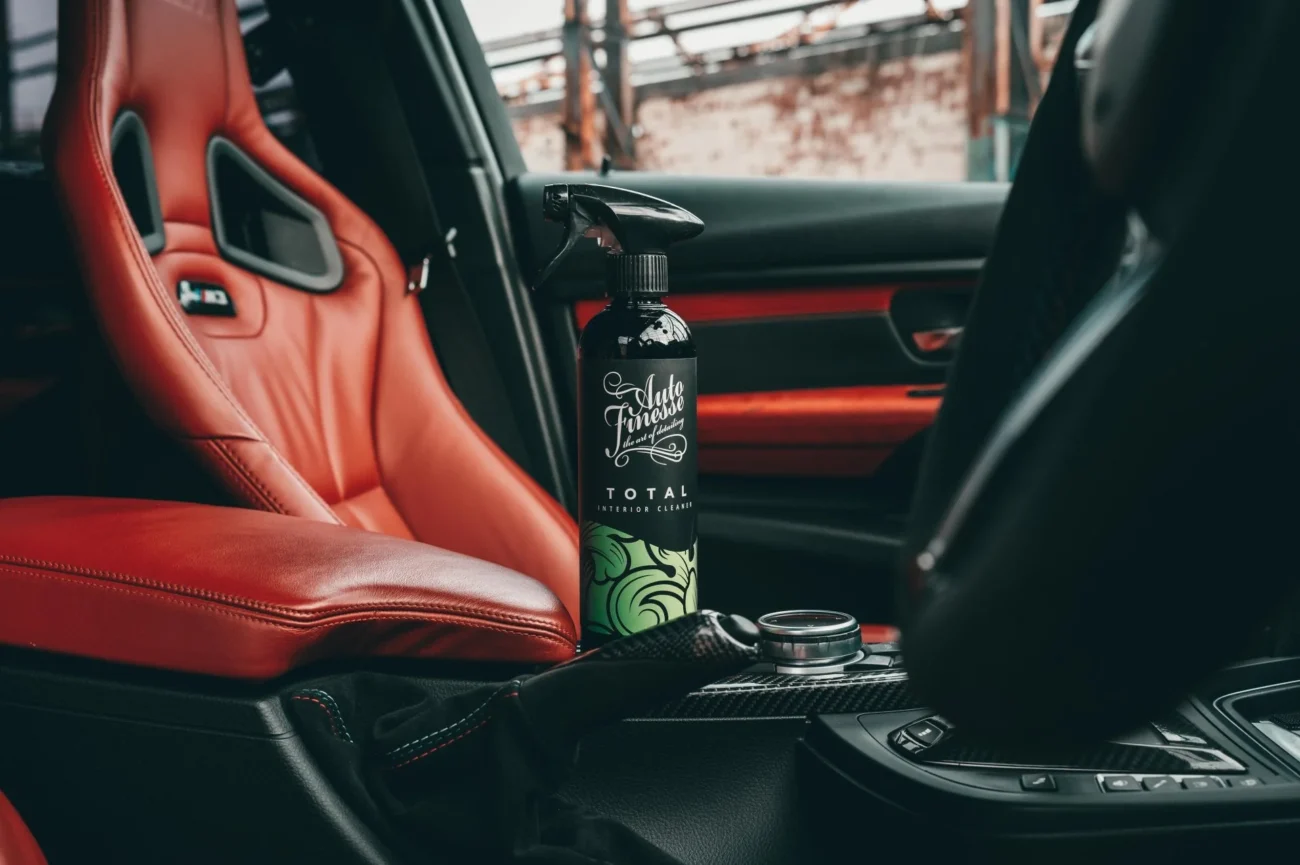
We understand that maintaining a pristine vehicle interior requires more than occasional vacuuming. Interior detailing transforms your car’s cabin from a neglected space into a showroom-quality environment. Through our comprehensive guide, we’ll walk you through professional-grade techniques that deliver exceptional results.
Why Interior Detailing Matters
Your vehicle’s interior endures constant exposure to dirt, debris, UV rays, and everyday wear. Professional interior detailing extends beyond surface cleaning—it preserves materials, maintains resale value, and creates a healthier driving environment. We’ve witnessed firsthand how proper detailing techniques can restore even the most neglected interiors to their original glory.
Essential Tools and Products for Interior Detailing
Before beginning any detailing project, we ensure our arsenal includes the right equipment. Quality tools make the difference between mediocre and outstanding results.
Cleaning Solutions
We rely on specialized products designed for automotive interiors. All-purpose cleaners tackle most surfaces, while leather conditioners nourish and protect genuine and synthetic leather. For fabric upholstery, we use enzymatic cleaners that break down organic stains at the molecular level.
Equipment and Accessories
Our detailing toolkit includes microfiber towels in various sizes, soft-bristled brushes for delicate surfaces, detailing brushes for crevices, a vacuum with attachments, and steam cleaners for deep sanitization. We never underestimate the importance of quality applicators and foam pads for product application.
Pre-Detailing Preparation
We always begin with thorough preparation. Remove all personal items, floor mats, and loose objects from the vehicle. This step allows complete access to every surface and prevents overlooking hidden areas during the cleaning process.
Initial Assessment
We inspect the interior carefully, identifying problem areas that require special attention. Stain mapping helps us prioritize our efforts and select appropriate cleaning methods. We note materials throughout the cabin—fabric, leather, vinyl, plastic, and carpeting each demand specific approaches.
Step One: Comprehensive Vacuuming
Deep vacuuming forms the foundation of interior detailing. We systematically work through the entire cabin, starting from the top and working downward.
Proper Vacuuming Technique
We use crevice tools to extract debris from seat tracks, door jambs, and console compartments. The upholstery attachment removes surface dirt from seats and door panels. For carpets and floor mats, we employ multiple passes in different directions, ensuring complete debris removal. Compressed air dislodges stubborn particles from air vents and tight spaces before vacuuming.
Step Two: Dashboard and Console Detailing
The dashboard and center console contain numerous surfaces and textures requiring careful attention. We address each component methodically.
Cleaning Hard Surfaces
We apply all-purpose cleaner to a microfiber cloth—never directly onto surfaces—to prevent solution from seeping into electronic components. Our technique involves gentle circular motions, frequently rotating to clean cloth sections. For textured surfaces, soft detailing brushes lift embedded grime without causing damage.
Treating Different Materials
Plastic and vinyl surfaces benefit from dedicated protectants that restore their original appearance while providing UV protection. We avoid silicone-based products that create excessive shine and attract dust. Instead, we prefer matte-finish protectants that look natural and last longer.
Step Three: Door Panel and Trim Restoration
Door panels accumulate fingerprints, scuffs, and grime from constant contact. We restore these surfaces using targeted techniques.
Detailed Cleaning Process
We spray cleaner onto our microfiber cloth and work from top to bottom on each panel. Door pockets require special attention—we remove any debris manually before wiping clean. Window switches, handles, and trim pieces receive individual attention with detailing brushes.
Protective Treatment
After cleaning, we apply appropriate protectants to maintain the finish. For leather door inserts, we use leather conditioner. Plastic trim receives UV protectant to prevent fading and cracking.
Step Four: Seat Cleaning and Conditioning
Seats represent the most visible and frequently used interior components. We employ different methods based on upholstery type.
Fabric Seat Cleaning
For fabric upholstery, we use hot water extraction or steam cleaning for optimal results. We pre-treat stains with enzymatic cleaners, allowing adequate dwell time before extraction. Our technique involves overlapping passes to ensure complete solution removal, preventing mildew growth.
Leather Seat Care
Leather seats demand gentle treatment. We clean with pH-balanced leather cleaners using soft cloths, working in small sections. After cleaning, we apply leather conditioner to restore moisture and suppleness. We buff excess conditioner to prevent greasy residue.
Stain Removal Techniques
We address specific stains with targeted solutions. Coffee and beverage stains respond well to enzymatic cleaners. Ink marks require specialized ink removers applied carefully to avoid spreading. For grease and oil, we use degreasing agents followed by thorough rinsing.
Step Five: Carpet and Floor Mat Restoration
Carpets trap dirt, moisture, and odors deep within their fibers. We employ aggressive cleaning methods for thorough restoration.
Deep Carpet Cleaning
We pre-treat heavily soiled areas with carpet cleaner, agitating with stiff brushes to loosen embedded dirt. Hot water extraction follows, removing both cleaning solution and dislodged contaminants. Multiple passes ensure complete extraction, and we use fans to accelerate drying.
Floor Mat Treatment
We remove floor mats for separate cleaning. Rubber mats receive scrubbing with all-purpose cleaner and stiff brushes. Carpet mats undergo the same deep cleaning process as interior carpeting. We ensure complete drying before reinstallation to prevent mildew.
Step Six: Headliner and Pillar Cleaning
The headliner requires gentle handling due to its delicate construction. We use minimal moisture to prevent sagging or staining.
Safe Headliner Techniques
We lightly mist cleaner onto a microfiber cloth—never directly onto the headliner—and gently dab or wipe stained areas. We avoid excessive rubbing that might damage the adhesive holding the fabric. For pillar trim, we wipe downward to prevent streaking.
Step Seven: Window and Mirror Perfection
Crystal-clear glass enhances visibility and overall cabin appearance. We save windows for last to remove any overspray from previous cleaning steps.
Streak-Free Glass Cleaning
We use automotive glass cleaner with dedicated glass microfiber towels. Our technique involves vertical strokes on one side and horizontal on the other, making it easy to identify which side has streaks. For tinted windows, we verify our cleaner is ammonia-free to protect the film.
Step Eight: Final Details and Protection
We complete our detailing process with finishing touches that elevate results from good to exceptional.
Air Vent Cleaning
We use foam brushes or specialized vent cleaning tools to remove dust from air vents. This step improves air quality and prevents dust from settling on freshly cleaned surfaces.
Odor Elimination
Rather than masking odors with air fresheners, we eliminate them at the source. Ozone generators neutralize persistent smells, while enzyme treatments address organic odors in carpets and upholstery.
Final Protection Application
We apply final protective treatments to all surfaces. UV protectants on the dashboard and trim prevent fading and cracking. Fabric protectants create invisible barriers against future staining on upholstery and carpets.
Maintaining Your Detailed Interior
Regular maintenance preserves our detailing work between professional services. We recommend weekly vacuuming, immediate attention to spills, and monthly application of protectants to high-touch surfaces.
Preventive Measures
We suggest using quality floor mats to protect carpeting, keeping cleaning supplies in the vehicle for immediate spill treatment, and using sun shades to reduce UV exposure and heat buildup.
Common Detailing Mistakes to Avoid
Throughout our experience, we’ve identified frequent errors that compromise results. Never use household cleaners not designed for automotive use—they can damage surfaces and void warranties. Avoid excessive product application, which leaves residue and attracts dirt. Don’t neglect drying time; trapped moisture causes mildew and odors.
Professional vs. DIY Interior Detailing
While we’ve outlined comprehensive DIY techniques, professional detailing services offer advantages including specialized equipment, professional-grade products, expertise with various materials, and time savings. For severely neglected interiors or valuable vehicles, we recommend professional services.
Seasonal Interior Detailing Considerations
Different seasons present unique challenges. Winter detailing focuses on salt and moisture removal, while summer preparation emphasizes UV protection and cooling system maintenance. We adjust our techniques and product selection based on seasonal demands.
Conclusion
Interior detailing excellence results from systematic approach, quality products, proper techniques, and attention to detail. By following our comprehensive guide, you’ll transform your vehicle’s interior from stained and neglected to showroom pristine. We’ve shared professional techniques that deliver lasting results—now it’s your turn to experience the satisfaction of a perfectly detailed interior.
