
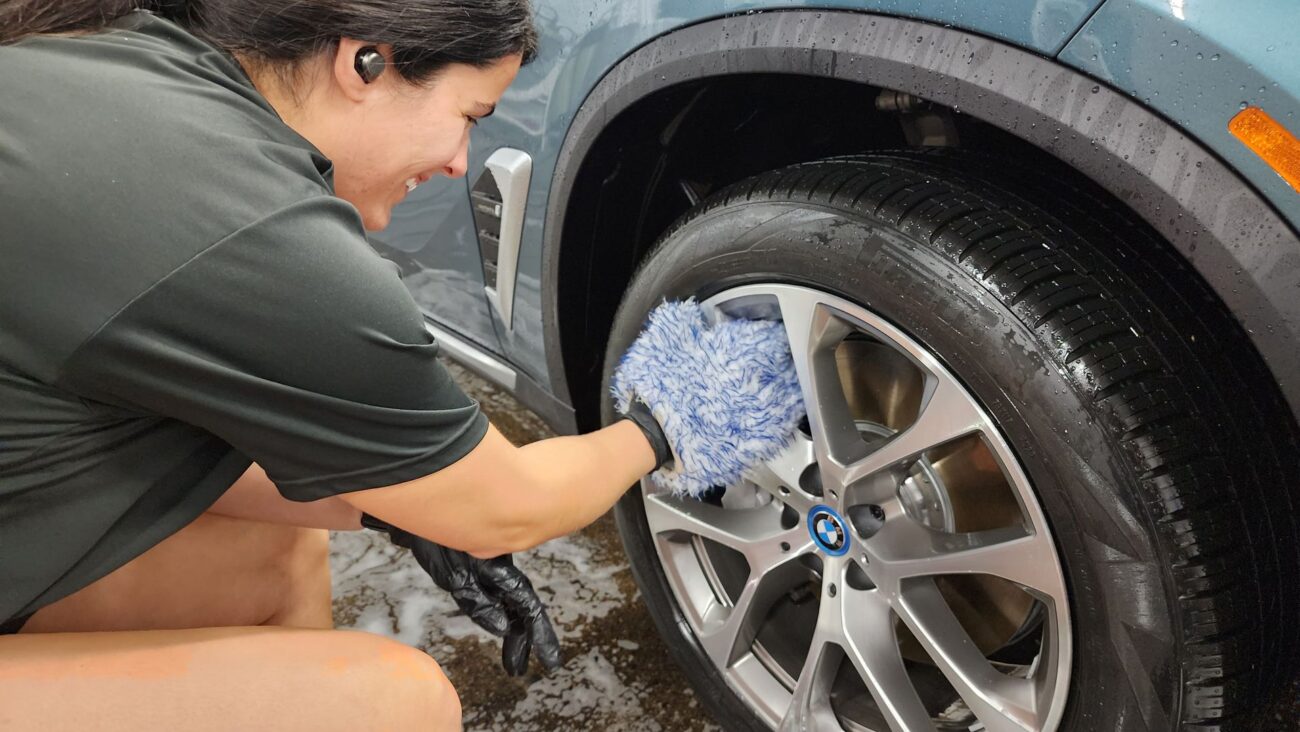
When we think about automobile maintenance, most of us immediately consider oil changes, tire rotations, and brake inspections. However, there’s another crucial aspect of vehicle care that often gets overlooked: professional detailing. Far beyond simply making your car look presentable, regular detailing serves as a fundamental investment in preserving your vehicle’s resale value, protecting its structural integrity, and maintaining its overall condition for years to come.
Understanding the True Purpose of Professional Detailing
Professional detailing represents a comprehensive approach to vehicle care that extends well beyond a basic car wash. We’re talking about a meticulous process that addresses every surface of your vehicle, both inside and out, using specialized products and techniques designed to clean, restore, and protect. This systematic approach tackles contaminants that standard washing simply cannot remove, including industrial fallout, tree sap, bird droppings, road tar, and embedded dirt particles that gradually deteriorate your car’s finish.
The distinction between washing and detailing becomes clear when we examine the methodology. While washing removes surface-level dirt, detailing involves paint correction, clay bar treatment, multi-stage polishing, and the application of protective sealants or ceramic coatings. These processes work together to eliminate imperfections and create a barrier against environmental damage.
B The Financial Impact of Regular Detailing on Resale Value
When it comes time to sell or trade in your vehicle, appearance matters significantly more than many owners realize. Research consistently demonstrates that well-maintained vehicles command substantially higher prices in the used car market. We’re not talking about marginal differences; properly detailed vehicles can fetch anywhere from fifteen to twenty-five percent more than comparable models that have been neglected.
Potential buyers form their first impression within seconds of seeing a vehicle. A car with faded paint, swirl marks, stained upholstery, or a grimy interior immediately suggests poor overall maintenance, regardless of the mechanical condition. Conversely, a vehicle that gleams with a deep, lustrous finish and features an immaculate interior communicates that the owner has invested in comprehensive care.
Dealerships and private buyers alike recognize the correlation between cosmetic condition and mechanical reliability. When a vehicle shows evidence of meticulous care, buyers naturally assume that the owner has been equally diligent about maintenance intervals, fluid changes, and addressing mechanical issues promptly.
Paint Protection: Your First Line of Defense
Your vehicle’s paint serves as more than just aesthetic appeal. The clearcoat and underlying paint layers form a critical protective barrier that shields the metal body from moisture, salt, UV radiation, and corrosive contaminants. Once this barrier becomes compromised, oxidation and rust can take hold, leading to expensive repairs and dramatic depreciation.
Regular detailing includes thorough paint decontamination and correction processes that remove bonded contaminants before they can etch into the clearcoat. Iron particles from brake dust, industrial fallout, and rail dust embed themselves in paint surfaces, creating microscopic rust spots that spread over time. Clay bar treatment during detailing physically removes these particles, preventing long-term damage.
The application of high-quality sealants, waxes, or ceramic coatings creates a sacrificial layer that absorbs environmental punishment instead of your paint. These protective products form a hydrophobic barrier that causes water to bead and roll off, carrying contaminants away before they can bond to the surface. This protection proves particularly valuable in regions with harsh winters, where road salt accelerates corrosion, or in areas with intense sun exposure, where UV rays break down paint molecules.
Interior Preservation: Maintaining Comfort and Functionality
While exterior appearance captures immediate attention, interior condition plays an equally important role in value retention. We spend countless hours inside our vehicles, and the wear patterns, stains, and odors that accumulate over time can severely impact both the driving experience and resale value.
Professional interior detailing addresses multiple concerns simultaneously. Deep cleaning removes allergens, bacteria, and odor-causing particles from upholstery, carpeting, and ventilation systems. This creates a healthier environment for occupants while preventing the permanent set-in stains that develop when spills and dirt are left unaddressed.
Leather surfaces require particular attention. Without regular conditioning, leather dries out, developing cracks and discoloration that cannot be reversed. Detailing includes the application of pH-balanced cleaners and conditioners that remove body oils and dirt while replenishing the natural moisture that keeps leather supple. This maintenance extends the life of leather seats, steering wheels, and door panels by years or even decades.
Plastic and vinyl components throughout the interior face similar challenges. UV exposure causes these materials to fade, crack, and become brittle. Regular application of protectants with UV inhibitors maintains flexibility and appearance, preventing the deteriorated, chalky look that marks aged vehicle interiors.
Protecting Against Environmental Hazards
Modern vehicles face an unprecedented array of environmental challenges. Acid rain, industrial pollution, tree sap, bird droppings, and insect residue all contain compounds that can permanently etch or stain automotive finishes if left in place. We cannot always control where we park or what falls on our vehicles, but we can control how quickly we address these contaminants.
Regular detailing schedules ensure that hazardous substances don’t remain on surfaces long enough to cause permanent damage. Bird droppings, for example, contain uric acid that begins etching paint within hours, especially when heated by sunlight. Tree sap hardens and bonds to paint, requiring specific solvents to remove without damaging the finish. Professional detailers have the knowledge, products, and techniques to safely eliminate these threats.
Road grime presents another persistent challenge. The combination of oil, fuel residue, rubber particles, and road salt creates a abrasive coating that accelerates paint wear. The undercarriage faces even harsher conditions, with constant exposure to corrosive materials that attack metal components. Comprehensive detailing includes undercarriage cleaning that removes these accumulations, significantly extending the life of suspension components, exhaust systems, and the frame itself.
The Long-Term Cost Analysis
Some vehicle owners hesitate to invest in regular detailing due to the perceived expense. However, when we examine the long-term financial picture, professional detailing represents one of the most cost-effective maintenance investments available. Consider the alternatives: paint correction to remove years of accumulated swirl marks and oxidation can cost thousands of dollars. Complete interior restoration for neglected leather and upholstery often exceeds the cost of years of preventive detailing.
More significantly, the depreciation that results from poor cosmetic condition far outweighs the cost of regular maintenance. A vehicle that sells for five thousand dollars less than comparable models due to appearance issues represents a loss that could have funded professional detailing for the entire period of ownership, with money left over.
Insurance considerations also come into play. Some comprehensive insurance policies offer reduced rates for vehicles that undergo regular professional maintenance, recognizing that well-cared-for vehicles present lower risk. Additionally, in the event of weather damage or accidents, vehicles with documented detailing history may receive higher valuation for claims purposes.
Establishing an Effective Detailing Schedule
The optimal detailing frequency depends on several factors, including climate, storage conditions, usage patterns, and personal standards. However, we recommend a minimum schedule that includes comprehensive exterior detailing every three to four months, with interior detailing performed twice yearly at minimum.
Vehicles exposed to harsh conditions require more frequent attention. Coastal environments with salt air, regions with extreme temperature variations, areas with high pollution levels, or climates with intense sun exposure all accelerate the deterioration of automotive finishes and materials. In these circumstances, quarterly exterior and interior detailing becomes essential rather than optional.
Between professional detailing appointments, maintaining proper washing techniques extends the benefits of professional work. Using pH-neutral car wash solutions, microfiber materials, and the two-bucket method prevents the introduction of new scratches and swirl marks. Immediate spot cleaning of bird droppings, tree sap, and other contaminants prevents damage between scheduled appointments.
Beyond Aesthetics: The Complete Value Proposition
When we step back and examine the complete picture, regular detailing delivers benefits that extend far beyond simple appearance. We’re talking about comprehensive vehicle preservation that touches every aspect of ownership experience and financial value.
The psychological impact of driving a well-maintained vehicle contributes to overall satisfaction and pride of ownership. A clean, fresh-smelling interior enhances every journey, while a gleaming exterior projects professionalism and attention to detail. These intangible benefits improve quality of life throughout the ownership period.
From a practical standpoint, regular detailing serves as an opportunity for early problem detection. Professional detailers frequently identify issues such as paint chips, small dents, interior damage, or fluid leaks before they develop into major problems. This early warning system can prevent expensive repairs and catch warranty-covered issues before coverage expires.
Documentation of regular professional detailing creates a valuable service record that demonstrates responsible ownership. When selling privately, this documentation reassures buyers about the vehicle’s history. When trading to a dealership, service records including detailing often result in higher appraisal values, as dealers recognize that such vehicles require less reconditioning before resale.
Making the Investment in Your Vehicle’s Future
The decision to implement regular professional detailing represents a commitment to maximizing your vehicle’s value, longevity, and appearance. This investment pays dividends throughout ownership and dramatically impacts the financial outcome when the time comes to sell or trade.
We cannot overstate the importance of selecting qualified professionals who use appropriate products and techniques. Not all detailing services deliver equal results, and poor-quality work can actually damage vehicles rather than protect them. Research local providers, examine their work, verify their product choices, and confirm their understanding of proper techniques before entrusting them with your vehicle.
The automotive detailing industry continues to evolve, with new products, technologies, and techniques emerging regularly. Ceramic coatings, paint protection films, graphene-based sealants, and advanced cleaning formulations offer increasingly effective protection. Staying informed about these developments and incorporating proven innovations into your maintenance routine ensures optimal results.
Regular detailing transforms vehicle ownership from a story of inevitable decline into one of sustained quality and preserved value. By committing to this essential maintenance practice, we protect our investment, enhance our driving experience, and maximize the return when the ownership cycle concludes.
